Crane Inspections in Mackay
Regular crane inspections help you stay compliant, reduce safety risks and catch potential issues early—saving time, money and downtime in the long run.
Nature's Symphony
Request a call back
Thank you for contacting CRANE MAINTENANCE QUEENSLAND.
We will get back to you as soon as possible.
Oops, there was an error sending your message.
Please try again later.
Mackay Crane Inspections
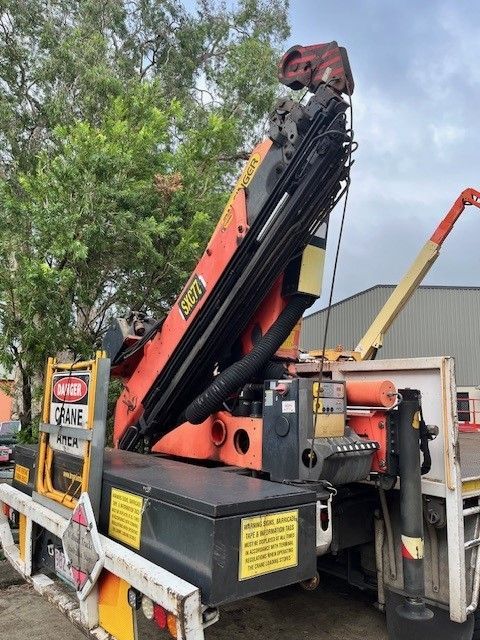
Are your cranes compliant with current safety standards? Do you know when your next inspection is due? At Crane Maintenance Queensland, we provide thorough crane inspections in Mackay to help you meet legal requirements and keep your lifting equipment safe, compliant and ready for work.
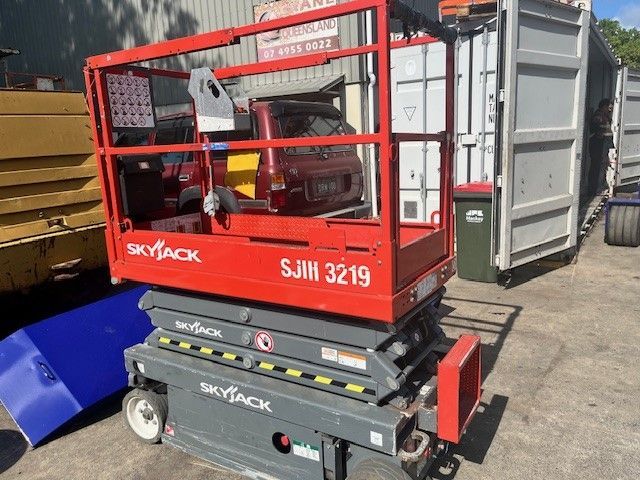
Our team carries out quarterly, annual and 10-year inspections in line with Australian regulations and manufacturer guidelines. We inspect all critical components, test safety systems and provide detailed reports to ensure your equipment performs reliably under load. Whether it’s a crane, boom lift, scissor lift or EWP, we deliver accurate inspections with minimal disruption.
With mobile and workshop options available, we make staying compliant simple and efficient. We service Mackay, Moranbah, Emerald, Nebo and the wider Bowen Basin region with expert inspections tailored to your needs. Call us at (07) 4955 0022 to book your next crane inspection.
Our Crane Inspection Process
Our crane inspection process is designed to ensure every machine operates safely, efficiently and in compliance with Australian standards. With a strong focus on detail and safety, here’s how we carry out a professional crane inspection:
- Visual Assessment: We begin with a thorough visual inspection to identify any signs of wear, damage or corrosion.
- Structural Check: All key components and load-bearing structures are carefully examined for integrity and stability.
- Mechanical Testing: We test moving parts, brakes and hydraulic systems to confirm correct operation and detect any faults.
- Electrical System Review: All electrical controls and safety devices are assessed for functionality and compliance.
- Compliance and Reporting: A full report is provided detailing findings, any required maintenance and adherence to Australian crane inspection standards.
This step-by-step process ensures each crane inspection meets strict safety guidelines and gives you confidence in your equipment’s performance.
Calibration Inspections
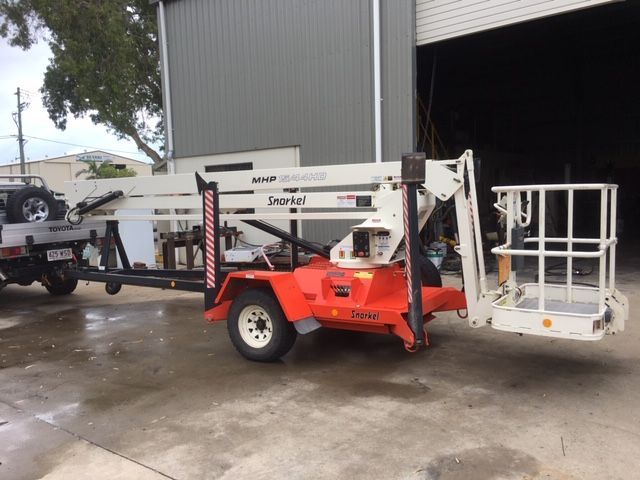
Accurate load handling starts with proper calibration. We check and adjust your crane’s load systems to ensure accurate readings and safe operation. Regular calibration helps you stay compliant, avoid lifting errors, and protect your team on-site. All calibration is done to meet current Australian Standards and manufacturer specifications.
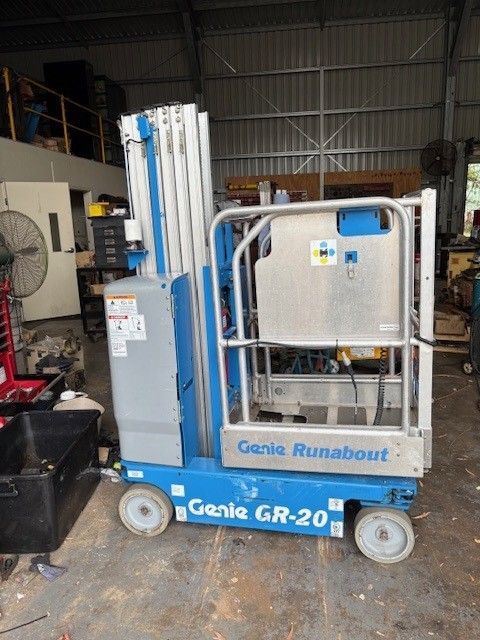
Quarterly inspections are essential for catching wear and safety issues early. These scheduled checks assess key components, fluids, and safety systems to ensure your crane operates reliably. By identifying potential faults before they escalate, quarterly inspections support compliance and reduce the risk of unplanned breakdowns or costly downtime.
Quarterly Inspections
10-Year Inspections
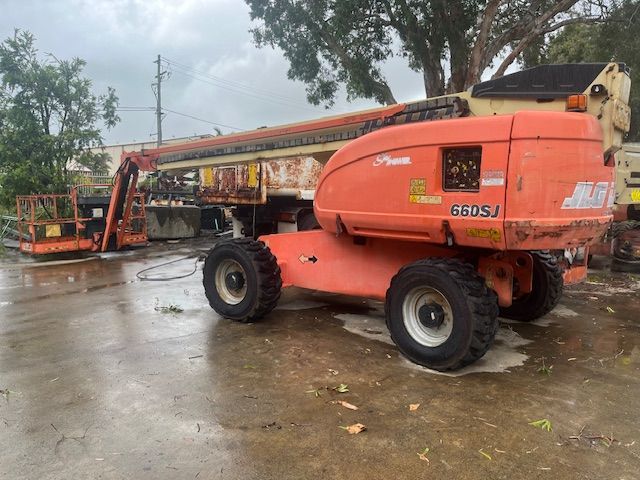
A 10-year inspection is a full structural and mechanical assessment required under Australian Standards. It involves dismantling major components, inspecting welds, testing systems and replacing worn parts. This in-depth process ensures your crane remains safe, compliant and capable of long-term service, especially in high-demand or high-risk work environments.
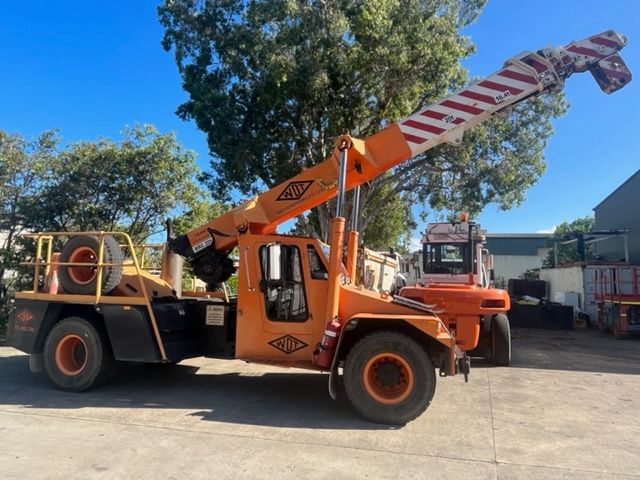
Annual inspections verify that your cranes and lifting equipment continue to meet Australian Standards after a full year of operation. Our team performs detailed structural and functional checks, reviewing safety devices, load systems and mechanical components. We identify wear, confirm compliance and help you plan proactive maintenance before issues arise.
Annual Inspections
FAQ
How often should cranes be inspected?
Inspection frequency depends on usage, environment and crane type. Typically, cranes require daily visual checks, monthly routine inspections, and annual comprehensive inspections by a qualified professional. High-use or critical cranes may require more frequent assessments. Always refer to Australian Standards and the manufacturer's recommendations for guidance.
What happens if faults are found during inspection?
If faults are identified, they are documented in a report and must be repaired before the crane is returned to service. Depending on the severity, this could involve simple maintenance or full component replacement. The crane should not be used until all issues are resolved and verified.
What is the difference between a routine and major inspection?
A routine inspection is a regular check of the crane’s condition, usually monthly or quarterly. A major inspection is more comprehensive and is typically required every ten years or after significant events. It may involve disassembly, structural testing and certification to confirm long-term safety and compliance.